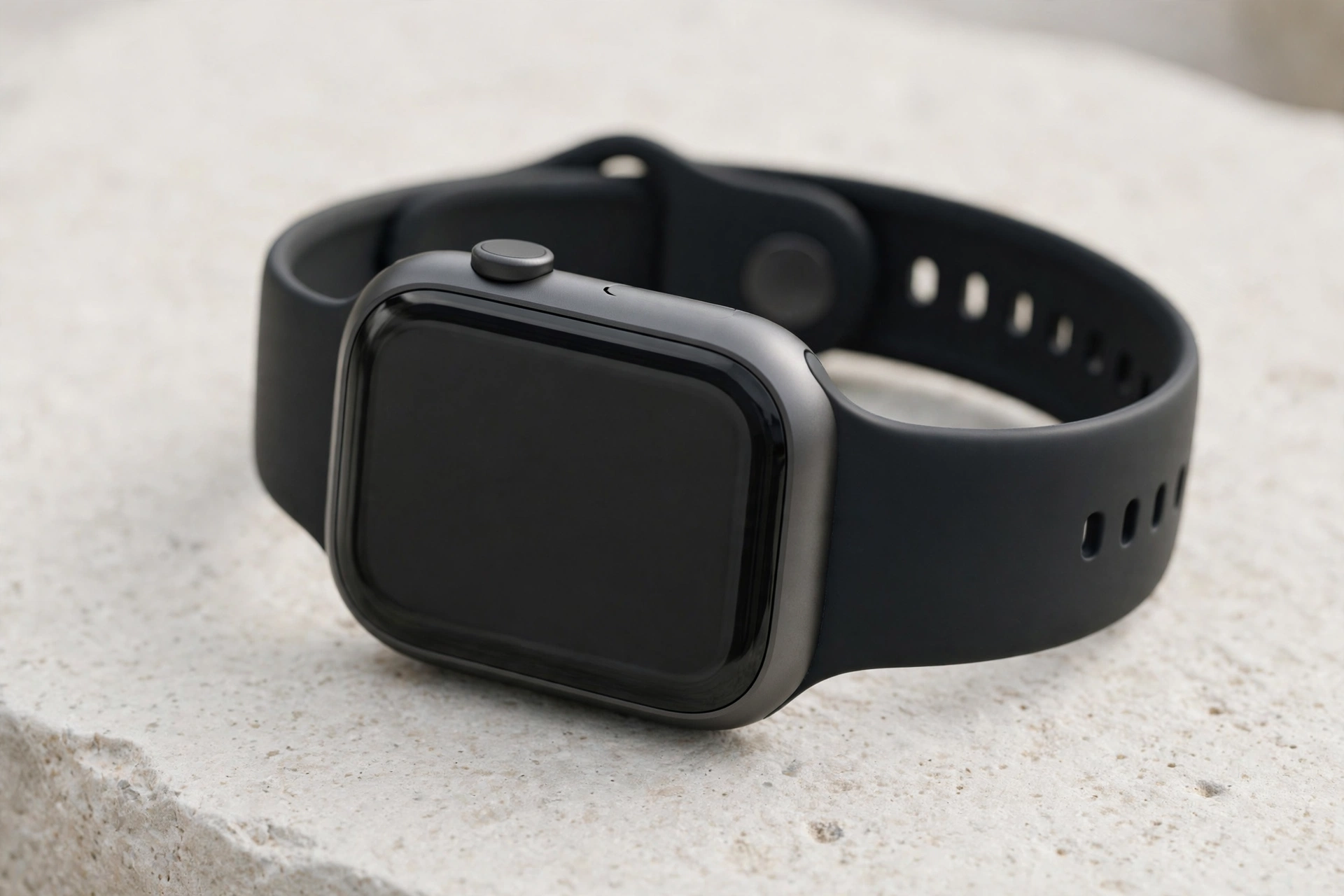
Smartwatches went from luxury gadgets to everyday items in just a few years — and the market responded with overwhelming choice. AMOLED displays, blood-oxygen sensors, Bluetooth calling, “military-grade” durability: which of these actually improve your life, and which are just box decoration? This guide separates genuinely useful features from marketing fluff so you buy the right watch at the right price.
Display: The First Thing to Get Right
You look at your watch face dozens of times a day, so the screen defines the whole experience. AMOLED displays are the gold standard — deep blacks, vivid colors, and excellent outdoor visibility — and they’ve become affordable even in budget watches. Older TFT/LCD screens look washed out in sunlight and drain more battery showing bright watch faces. Also consider size: 1.4–1.9 inches suits most wrists, and an always-on display mode is genuinely convenient if the battery can handle it. If a watch doesn’t clearly state “AMOLED,” assume it isn’t.
Battery Life: The Spec That Decides Everything
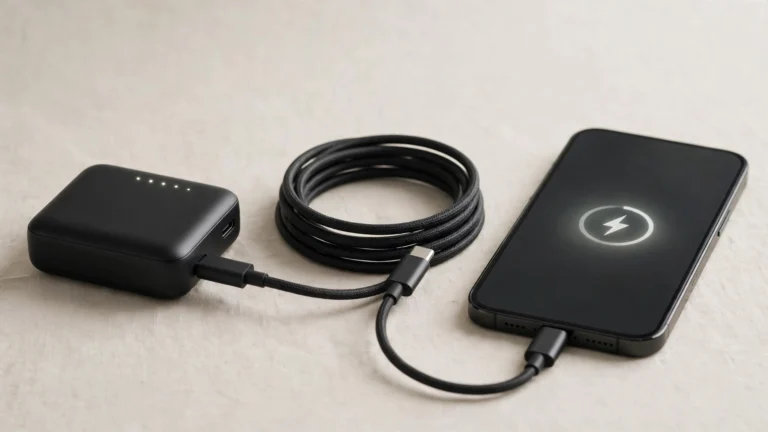
This is the single biggest lifestyle difference between watches. Budget smartwatches typically last 7–14 days because they run simpler software. Premium full smartwatches (with app stores and LTE) often last 1–2 days — better features, but you’re charging every night like a phone. Neither is objectively better; it’s a tradeoff. Be honest with yourself: if nightly charging annoys you, the “less smart” watch with 10-day battery will make you happier than the flagship you resent plugging in. And check whether always-on display is included in the battery claim — it often halves it.
Health Sensors: Useful vs Marketing
- Heart-rate monitoring: genuinely useful and reasonably accurate on most modern watches during rest and steady exercise. Good for tracking trends.
- SpO2 (blood oxygen): interesting data, but wrist-based readings are estimates — useful for spotting trends, not medical decisions.
- Sleep tracking: surprisingly useful; even budget watches do this decently, and the insights (sleep duration, consistency) are actionable.
- ECG / blood pressure: treat as wellness estimates, not medical devices. Interesting, but not a reason to choose a watch.
The honest summary: heart-rate and sleep tracking earn their place; everything else is a bonus. No wrist sensor replaces a doctor, whatever the marketing says.
Compatibility: The Deal-Breaker Nobody Checks
This kills more purchases than any other oversight. Many watches are designed for one phone ecosystem: some premium watches only work fully with specific phone brands, and certain features (ECG, advanced messaging) may be region- or phone-restricted. Before buying, verify: does it pair fully with your phone’s OS, do calls and notifications work as advertised, and is the companion app well-rated (not a 2-star mess)? A brilliant watch crippled by a terrible app is a bad purchase.
Build Quality and Water Resistance
For daily wear, look for 5ATM water resistance (safe for swimming and showers) rather than just “IP68” (dust and splash protection — fine, but not swim-rated). Metal or reinforced cases survive desk bumps better than all-plastic bodies, and standard replaceable straps (20mm/22mm) are a quiet superpower — a PKR 500 strap refreshes a watch completely. “Military-grade” certifications sound impressive but mostly mean it survived lab tests; real-world durability comes from build materials and a screen protector.
The most expensive smartwatch feature is the one you never use. Bluetooth calling sounds great until you realize you take every call on your phone anyway.
Smartwatch vs Fitness Band: When Less Is More
If your goals are step counting, workout tracking, sleep, and notifications, a fitness band does 80% of a smartwatch’s job at a third of the price with double the battery life. Buy a full smartwatch when you specifically want: a large readable display, Bluetooth calling, on-watch apps, or music control. Be honest about which list you’re on — plenty of smartwatch buyers would have been happier (and richer) with a band.
What Your Budget Gets You in Pakistan
One thing buyers often overlook: software support. A watch whose companion app stops receiving updates after a year will feel abandoned long before the hardware gives out. Prefer brands with a track record of maintaining their apps — check the app’s update history in the Play Store, not just its star rating, before you buy.
Typical 2026 market ranges in Pakistan; verify current prices before buying.
- PKR 3,000 – 8,000: Budget watches with AMOLED displays, 7–14 day battery, heart-rate + SpO2 + sleep tracking, Bluetooth calling. The value zone — covers most people’s actual needs.
- PKR 8,000 – 20,000: Better build quality, brighter displays, more accurate sensors, superior companion apps, sometimes GPS. Noticeable refinement.
- PKR 20,000 – 60,000+: Premium ecosystem watches with app stores, LTE options, advanced health features, premium materials. Worth it mainly if you’re invested in a phone ecosystem.
Quick Recommendation
- Most buyers: a PKR 5,000–10,000 watch with AMOLED display, 5ATM rating, 7+ day battery, and a well-rated companion app. This covers notifications, fitness, sleep, and calls.
- Athletes: prioritize built-in GPS and sensor accuracy over screen size — check independent accuracy reviews, not marketing.
- iPhone users: verify full compatibility before buying any non-Apple watch; some features are deliberately restricted.
- Before buying: confirm strap size/replaceability, check the companion app’s recent reviews, and try the size on your wrist if possible — spec sheets don’t show bulk.
Frequently Asked Questions
Are budget smartwatches worth it?
Yes — this is one category where budget options genuinely deliver. A PKR 6,000 watch with AMOLED, week-long battery, and solid fitness tracking covers what most people actually use a smartwatch for.
Can a smartwatch replace a fitness band?
For most people, yes, but bands still win on price, battery life, and lightness. If you mainly want health tracking without the bulk, a band remains the rational choice.
How accurate are smartwatch health sensors?
Heart-rate and sleep tracking are reasonably accurate for trend-watching. SpO2, stress scores, and similar metrics are rough estimates. Treat all of it as wellness data, never medical diagnosis.
Do I need LTE/cellular on a smartwatch?
Almost certainly not. It adds significant cost (plus a data plan) for the niche scenario of leaving your phone behind. Bluetooth connection to your phone covers 99% of real use.
The right smartwatch isn’t the one with the longest spec sheet — it’s the one whose screen you’ll enjoy, whose battery won’t annoy you, and whose features match your actual routine. Buy for your wrist and your habits, not the brochure.