
Introduction
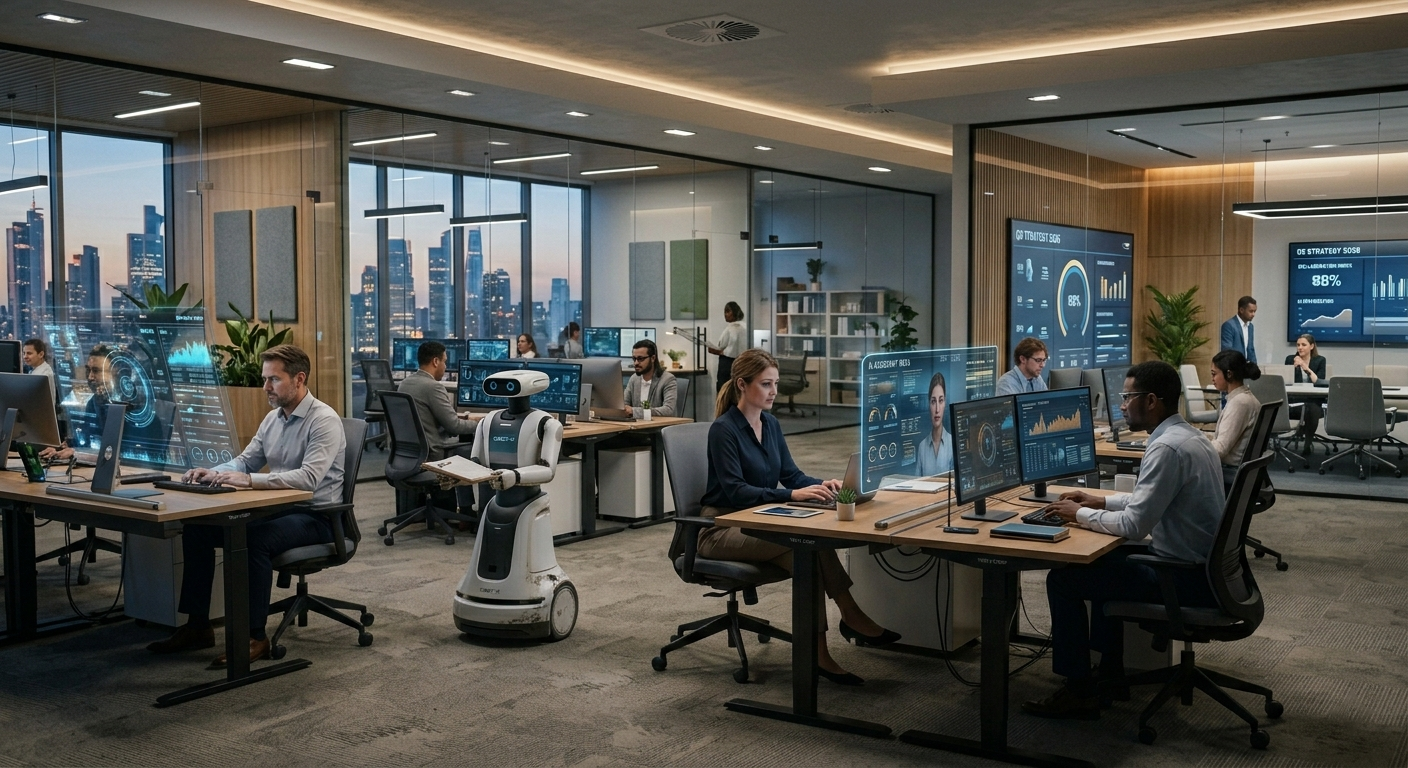
Artificial Intelligence (AI) is no longer a futuristic concept that exists only in science fiction movies. In 2026, AI has become a powerful force that is reshaping industries, businesses, and workplaces around the world. From automating repetitive tasks to assisting professionals in making smarter decisions, AI is transforming how people work and how organizations operate.
As AI technologies continue to evolve, many professionals are asking important questions. Will AI replace human jobs? Which careers are most affected by automation? What new opportunities will emerge? Most importantly, how can workers prepare themselves for an AI-driven future?
The reality is that AI is creating both opportunities and challenges. While some traditional jobs are being automated, entirely new career paths are emerging. Organizations are increasingly seeking professionals who can work alongside AI systems, manage advanced technologies, and leverage data-driven insights.
This article explores the impact of AI on jobs and careers in 2026, examining how different industries are changing, which skills are becoming valuable, and what professionals can do to stay competitive in an increasingly automated world.
Understanding AI’s Role in the Modern Workplace
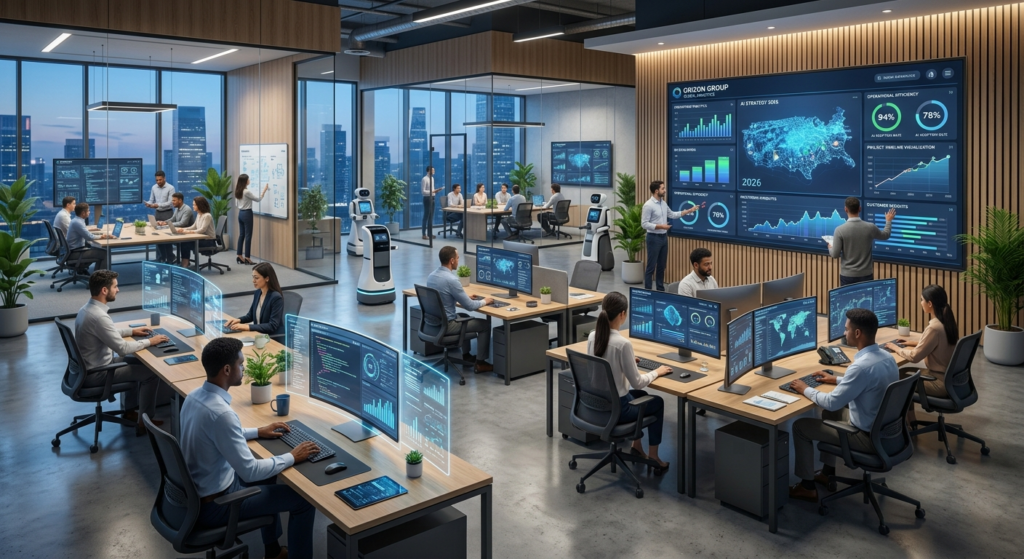
Artificial Intelligence refers to computer systems capable of performing tasks that typically require human intelligence. These tasks include learning, problem-solving, decision-making, language understanding, and pattern recognition.
Common AI Applications in Workplaces
| AI Application | Purpose | Industries Using It |
|---|---|---|
| Chatbots | Customer Support | Retail, Banking, Healthcare |
| Predictive Analytics | Business Forecasting | Finance, Marketing |
| AI Assistants | Productivity Improvement | Corporate Offices |
| Machine Learning | Data Analysis | Technology, Healthcare |
| Robotic Process Automation | Task Automation | Manufacturing, Finance |
AI systems are helping organizations increase efficiency, reduce costs, improve customer experiences, and make better strategic decisions.
How AI is Changing the Job Market
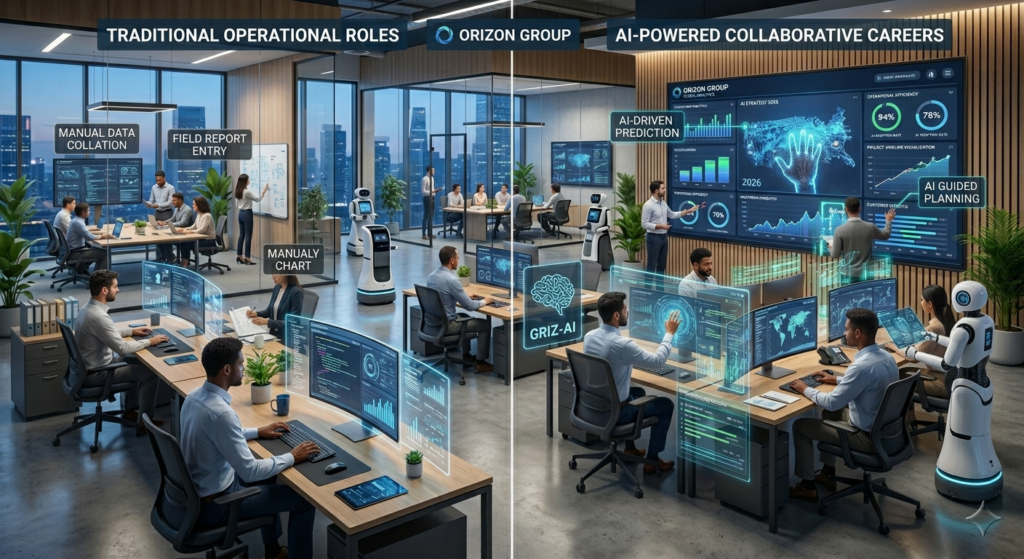
The impact of AI on the job market is significant. Rather than completely replacing human workers, AI is transforming the nature of many jobs.
Job Transformation vs Job Replacement
One common misconception is that AI will eliminate all jobs. In reality, most jobs involve multiple tasks, and AI often automates only specific activities rather than entire roles.
Example
| Profession | Automated Tasks | Human Responsibilities |
|---|---|---|
| Accountant | Data Entry | Financial Strategy |
| Doctor | Medical Analysis | Patient Care |
| Teacher | Grading Tests | Mentoring Students |
| Marketer | Data Processing | Creative Campaigns |
| Lawyer | Document Review | Legal Judgment |
This means professionals will increasingly work alongside AI rather than compete directly against it.
Industries Most Affected by AI
1. Healthcare
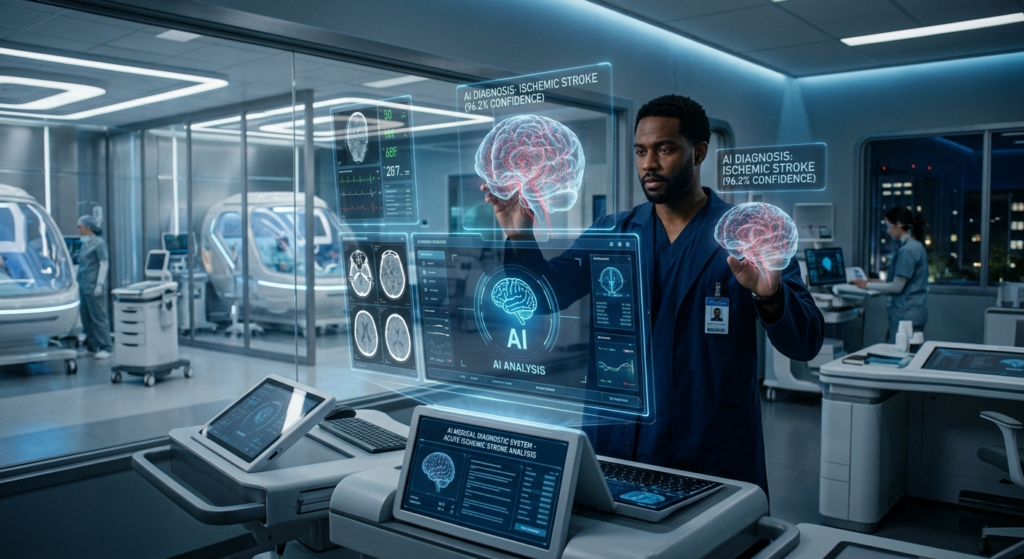
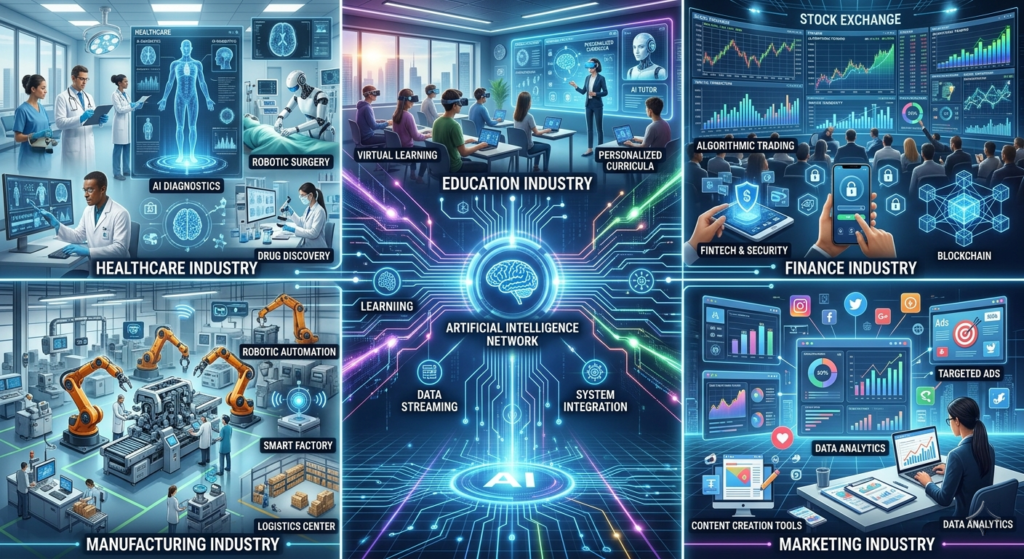
Healthcare has experienced remarkable advancements through AI technologies.
AI Applications in Healthcare
| Application | Benefit |
|---|---|
| Medical Imaging | Faster Diagnosis |
| Drug Discovery | Reduced Research Time |
| Patient Monitoring | Early Disease Detection |
| Virtual Health Assistants | Improved Patient Support |
Doctors and healthcare professionals now use AI tools to analyze medical images, predict diseases, and improve treatment plans.
Career Impact
AI is not replacing doctors but helping them become more efficient and accurate.
2. Finance and Banking
Financial institutions rely heavily on AI for fraud detection, risk assessment, and customer service.
Banking AI Solutions
| Solution | Function |
|---|---|
| Fraud Detection | Identifies Suspicious Activities |
| Robo-Advisors | Investment Guidance |
| Credit Scoring | Loan Evaluation |
| Customer Support Bots | Instant Assistance |
New Opportunities
The demand for AI specialists, data analysts, cybersecurity experts, and financial technology professionals continues to grow.
3. Manufacturing
Manufacturing is one of the sectors most impacted by automation.
AI Benefits in Manufacturing
| Benefit | Result |
|---|---|
| Predictive Maintenance | Reduced Downtime |
| Quality Control | Better Product Standards |
| Robotics | Faster Production |
| Supply Chain Optimization | Lower Costs |
Workers increasingly focus on managing automated systems rather than performing repetitive manual labor.
4. Education
AI is transforming learning experiences for students worldwide.
Educational AI Applications
| Technology | Purpose |
|---|---|
| Personalized Learning | Custom Study Plans |
| AI Tutors | Student Support |
| Automated Grading | Teacher Efficiency |
| Learning Analytics | Performance Tracking |
Teachers remain essential because human interaction, mentorship, and emotional intelligence cannot be fully automated.
5. Marketing and Advertising
Modern marketing relies heavily on AI-powered analytics and automation.
AI Marketing Tools
| Tool Type | Function |
|---|---|
| Content Recommendations | Personalized Experiences |
| Customer Analytics | Behavior Tracking |
| Marketing Automation | Campaign Management |
| Predictive Analytics | Future Trend Forecasting |
Marketing professionals who understand AI tools gain a competitive advantage.
Jobs Most Vulnerable to Automation
Certain jobs involve repetitive and predictable tasks that can be automated more easily.
High-Risk Jobs
| Job Role | Automation Risk |
|---|---|
| Data Entry Clerks | Very High |
| Cashiers | High |
| Telemarketers | High |
| Basic Bookkeepers | High |
| Assembly Line Workers | High |
These positions may decline as AI systems become more sophisticated.
Jobs Expected to Grow Because of AI
While some jobs face automation risks, many new careers are emerging.
Fast-Growing AI-Related Careers
| Career | Growth Potential |
|---|---|
| AI Engineer | Very High |
| Machine Learning Specialist | Very High |
| Data Scientist | Very High |
| Cybersecurity Analyst | High |
| AI Ethics Consultant | High |
| Robotics Engineer | High |
| Cloud Architect | High |
Organizations need skilled professionals to design, manage, and improve AI technologies.
New Career Opportunities Created by AI
AI is generating entirely new job categories.
Emerging Careers
1. Prompt Engineer
Prompt engineers create effective instructions for AI systems.
Responsibilities
| Task | Description |
|---|---|
| Prompt Creation | Designing AI Queries |
| Testing Outputs | Improving Results |
| AI Optimization | Enhancing Performance |
2. AI Trainer
AI systems require training using high-quality data.
Responsibilities
| Task | Purpose |
|---|---|
| Data Labeling | Improve Accuracy |
| Model Training | Enhance Performance |
| Quality Evaluation | Reduce Errors |
3. AI Ethics Specialist
Organizations need experts who ensure responsible AI use.
Responsibilities
| Area | Focus |
|---|---|
| Bias Detection | Fairness |
| Privacy Protection | Data Security |
| Compliance | Regulations |
Skills Needed for the AI Era
Professionals must adapt to changing workplace demands.
Technical Skills
| Skill | Importance |
|---|---|
| Data Analysis | High |
| Programming | High |
| AI Literacy | High |
| Cloud Computing | High |
| Cybersecurity | High |
Soft Skills
Human skills remain valuable because AI cannot easily replicate them.
Essential Soft Skills
| Skill | Why It Matters |
|---|---|
| Creativity | Innovation |
| Emotional Intelligence | Human Relationships |
| Leadership | Team Management |
| Communication | Collaboration |
| Critical Thinking | Decision Making |
Employers increasingly value professionals who combine technical expertise with strong interpersonal abilities.
The Rise of Human-AI Collaboration
Rather than replacing workers, AI often serves as a collaborative partner.
Benefits of Human-AI Teams
| Human Strength | AI Strength |
|---|---|
| Creativity | Speed |
| Empathy | Data Processing |
| Judgment | Pattern Recognition |
| Leadership | Automation |
Organizations that effectively combine human and AI capabilities achieve better outcomes.
Remote Work and AI
AI has accelerated the growth of remote work environments.
AI Tools Supporting Remote Teams
| Tool Type | Benefit |
|---|---|
| Virtual Assistants | Task Management |
| Collaboration Platforms | Team Communication |
| Scheduling Tools | Time Management |
| Analytics Systems | Productivity Tracking |
Remote employees can now access advanced AI tools that improve efficiency and collaboration.
Challenges AI Creates for Workers
Despite its benefits, AI presents several challenges.
Major Concerns
1. Job Displacement
Workers in highly repetitive roles may need retraining.
2. Skill Gaps
Many employees lack AI-related knowledge.
3. Privacy Issues
AI systems often rely on large amounts of personal and business data.
4. Ethical Concerns
Bias in AI systems can lead to unfair outcomes.
AI Challenges Overview
| Challenge | Impact |
|---|---|
| Automation | Job Changes |
| Skill Gap | Need for Training |
| Privacy Risks | Security Concerns |
| Ethical Issues | Fairness Problems |
Organizations must address these concerns responsibly.
How Employees Can Prepare for an AI-Driven Future
Adaptability is the key to long-term career success.
Practical Steps
Learn New Technologies
Stay updated on AI tools relevant to your industry.
Develop Analytical Skills
Data literacy is increasingly important across professions.
Strengthen Human Skills
Communication, creativity, and leadership remain highly valuable.
Pursue Continuous Learning
Online courses and certifications can help professionals stay competitive.
Recommended Learning Areas
| Learning Area | Career Benefit |
|---|---|
| Artificial Intelligence | High Demand |
| Data Science | Strong Growth |
| Cybersecurity | Job Security |
| Cloud Computing | Industry Relevance |
| Digital Marketing | Career Flexibility |
The Future of Work Beyond 2026
Experts predict that AI adoption will continue accelerating throughout the coming decade.
Future Workplace Trends
| Trend | Expected Impact |
|---|---|
| AI Integration | Increased Productivity |
| Hybrid Work | Greater Flexibility |
| Automation Expansion | Task Transformation |
| Digital Skills Demand | Career Growth |
| Lifelong Learning | Essential Requirement |
The future workplace will likely emphasize collaboration between humans and intelligent systems.
Benefits of AI for Professionals
AI offers numerous advantages for workers.
Key Benefits
Increased Productivity
AI automates repetitive tasks, allowing employees to focus on higher-value activities.
Better Decision-Making
Advanced analytics provide actionable insights.
Enhanced Creativity
AI tools help generate ideas and streamline workflows.
Improved Work-Life Balance
Automation reduces workload pressure and improves efficiency.
AI Benefits Summary
| Benefit | Outcome |
|---|---|
| Automation | Time Savings |
| Analytics | Better Decisions |
| Personalization | Improved Experiences |
| Efficiency | Higher Productivity |
Frequently Asked Questions (FAQs)
Will AI replace all jobs?
No. AI is more likely to transform jobs than eliminate them entirely. Most professions require human creativity, judgment, and interpersonal skills.
Which careers are safest from AI?
Careers involving emotional intelligence, creativity, leadership, and complex decision-making are generally more resistant to automation.
Is AI creating new jobs?
Yes. AI is creating roles such as AI engineers, machine learning specialists, prompt engineers, AI trainers, and AI ethics consultants.
What skills should I learn for the future?
Focus on AI literacy, data analysis, cybersecurity, cloud computing, communication, critical thinking, and leadership skills.
Can small businesses benefit from AI?
Absolutely. AI tools help small businesses improve efficiency, customer service, marketing, and decision-making.
Conclusion
Artificial Intelligence is reshaping the global workforce in unprecedented ways. While concerns about automation and job displacement remain valid, AI is also creating new opportunities, increasing productivity, and transforming industries for the better. The future of work is not about humans competing against machines but about humans and AI working together to achieve greater outcomes.
Professionals who embrace continuous learning, develop technical expertise, and strengthen uniquely human skills will be well-positioned for success in the AI-driven economy of 2026 and beyond. Organizations, educational institutions, and governments must also play a role in supporting workforce development and ensuring that workers can adapt to technological change.
The impact of AI on jobs and careers is not simply a story of disruption—it is a story of transformation, innovation, and opportunity. Those who prepare today will be the leaders of tomorrow’s digital workforce.